An international seminar explored the latest developments in biofuels in the maritime sector, including the challenges and opportunities associated with the use of marine fuels made from plants, used oils, or agricultural waste to reduce greenhouse gas (GHG) emissions from ships.
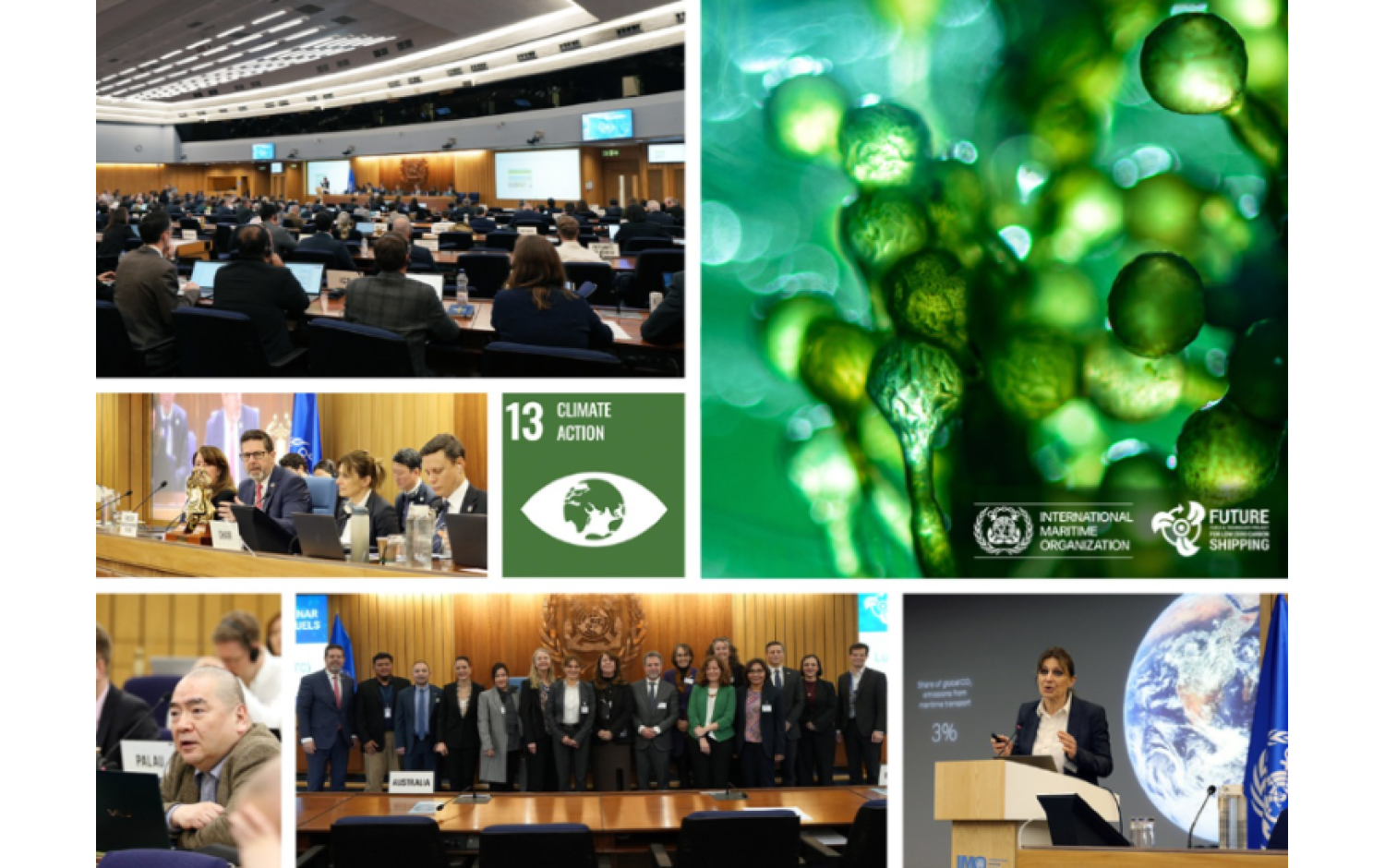
The IMO´s Future Fuels and Technologies Project organized the seminar at the IMO headquarters in London (February 12), with the aim of sharing information and views on alternative fuels and emerging technologies to support policymakers in their efforts to reduce GHG emissions from ships. The event was purely informational and was not intended for policy negotiation.
Around 700 participants from IMO member states, industry, academia, and international organizations attended in person and virtually, while more than 1,300 additional viewers followed the live stream online.
Moderated by Dr. Roberta Cenni, Head of Biofuels at the Mærsk Mc-Kinney Møller Center for Carbon-Neutral Shipping, the sessions examined three main aspects:
The speakers highlighted both the potential and the challenges of biofuels in maritime decarbonization, including considerations of sustainability, supply dynamics, engine compatibility, and onboard safety. Case studies on the use of biofuels in Brazil, Indonesia, Turkey, and the United States were presented.
Closing the event, IMO Marine Environment Division Director David Osborn said that more technical seminars are planned. A survey conducted among participants immediately after the event identified ammonia, LNG, and methanol as priority topics for future sessions.
News and image obtained: "Organización Marítima Internacional"
https://www.imo.org/es/mediacentre/pages/whatsnew-2424.aspx
The IMO Future Fuels and Technologies Project is a partnership between the Government of the Republic of Korea and the IMO, which aims to support the reduction of greenhouse gas emissions from international shipping by promoting the adoption of future fuels and technologies.
This was the third technical seminar organized under the project, following previous seminars on onboard carbon capture and storage (OCCS) and the energy transition of global shipping.